除了第三者責任保險,有些專業清拆公司還會為工程本身購買「全險」(Contractor’s All Risks Insurance),以保障工程期間的物料損壞、盜竊或其他不可預見的風險。雖然這不是所有清拆還原工程的強制要求,但若公司願意提供,則更能展現其專業與負責的態度,為您的清拆還原工程提供額外的保障。
在追求永恆青春的旅程中,肌膚的彈性與光澤無疑是每個人的渴望。然而,歲月的痕跡、環境的壓力,總讓肌膚面臨乾燥、鬆弛、暗沉等挑戰,令人苦惱不已。此時,一個來自瑞士、被譽為奢華抗老權威的品牌—— La Prairie,以其超越時空的頂尖科技與精粹成分,成為了無數追求極致美顏人士的最終解答。La Prairie 不僅僅是護膚品,更是一種對美好生活與永恆青春的承諾,透過其獨特的魚子美顏科技,為肌膚注入源源不絕的年輕活力,重現緊緻、澎潤、光采的逆齡奇蹟。
文章目錄
瑞士頂級保養傳奇:La Prairie 如何以尖端細胞科技定義奢華抗老美學
一百多年來,瑞士以其純淨的自然環境和卓越的生物科技,孕育了無數頂級醫療與保養的傳奇,而 La Prairie 無疑是其中的璀璨明珠。品牌起源於 1930 年代,瑞士蒙特勒的 La Prairie 療養中心,一個專注於細胞活化與回春研究的先驅機構。創辦人保羅.尼翰博士(Dr. Paul Niehans)在此開創了細胞療法,為無數皇室貴族與名流帶來青春的希望,奠定了 La Prairie 追求極致抗老的深厚基礎。
從療養中心走入奢華保養品領域,La Prairie 始終秉持著「科學為藝術服務」的品牌哲學。品牌將最尖端的生物科技成果,轉化為能夠在家中享受的精緻護膚體驗。這種將嚴謹科學研究與奢華感官享受完美結合的獨特模式,讓 La Prairie 在競爭激烈的頂級保養市場中獨樹一幟,成為奢華抗老美學的代名詞。
La Prairie 的核心抗老奧秘在於其獨家「活細胞複合物」(Exclusive Cellular Complex)。這項專利技術是品牌傳承數十年的科研結晶,旨在激活肌膚細胞的生命力,促進新陳代謝,並提升肌膚自身的修護與防禦能力。它不僅能有效對抗各種老化跡象,更能從根源上改善肌膚健康,讓肌膚由內而外散發出年輕的光采。
正是憑藉著對尖端細胞科技的不懈追求,以及對卓越品質的嚴苛堅持,La Prairie 才能不斷推出引領潮流的革新產品。每一款 La Prairie 的產品都承載著瑞士精準工藝與頂級科學智慧,致力於為全球的品味人士提供無與倫比的奢華護膚體驗,實現肌膚逆齡、青春永駐的極致夢想。
經典必備!La Prairie 魚子美顏系列:深度解析頂級成分與卓越逆齡功效
在 La Prairie 眾多璀璨的系列中,「魚子美顏系列」(Skin Caviar Collection)無疑是品牌最為人稱頌的經典。它不僅是奢華的象徵,更是科技與自然完美融合的典範。此系列的核心成分,源自深海的珍貴魚子精華,富含蛋白質、維生素、礦物質和胺基酸等肌膚所需的一切養分,被譽為「肌膚的黑金」,能為肌膚提供無與倫比的滋養與活化能量。
La Prairie 產品卓越的功效,不僅僅是品牌宣傳,更有大量的科研實證與使用者好評作為佐證。許多愛用者分享,在使用魚子美顏系列後,肌膚的細紋和皺紋明顯減少,肌膚變得更加緊緻飽滿,光澤感也大幅提升。這種看得見、摸得著的改變,讓 La Prairie 贏得了全球頂級消費者的信賴與忠誠,成為他們抗老護膚旅程中不可或缺的盟友。
總而言之,選擇 La Prairie 是一項對美麗與自信的長期投資。它不僅提供了即時可見的護膚效果,更透過其深層的細胞修護與滋養,為肌膚帶來持久的年輕活力。每一次的使用,都是一次奢華的感官享受,一種對瑞士精準工藝與頂尖科技的致敬。La Prairie 承諾,讓肌膚時間逆轉,重現青春光采,成就永恆之美。
總結而言,La Prairie 不僅僅是一個奢華護膚品牌,它更是瑞士精準科研、頂級成分與藝術美學的完美結合。透過對珍稀魚子美顏科技的深度探索與不懈創新,La Prairie 成功定義了奢華抗老的新高度,為全球追求極致青春的消費者帶來了前所未有的護膚體驗。無論是其傳奇的品牌歷史、獨家的活細胞複合物,抑或是聞名遐邇的魚子美顏系列,都彰顯了 La Prairie 在抗老領域的權威地位。現在,誠摯邀請您親臨 La Prairie 專櫃,親身感受這份超越時空的奢華呵護,讓您的肌膚逆齡新生,綻放永恆的青春光采。
Welcome to the definitive guide on mastering modern interior design. In an era where our living spaces are more than just shelters, understanding the principles of thoughtful interior design is crucial. This article delves into the transformative power of creating environments that are not only aesthetically pleasing but also profoundly functional, reflecting personal style and enhancing daily life.
Embark on a journey with us as we unravel the core elements, popular styles, and practical strategies that underpin exceptional interior design. Whether you’re a budding enthusiast or looking to refresh your home, this comprehensive resource will equip you with the knowledge to approach your next project with confidence and creativity.
Prepare to transform your vision into reality, crafting spaces that inspire, comfort, and truly represent you. Mastering modern interior design is an art and a science, and we’re here to guide you every step of the way to achieve stunning results.
1. Introduction to Modern Interior Design & Its Importance
Modern interior design is far more than just decorating; it’s a holistic approach to shaping living environments. It encompasses the art and science of understanding people’s behavior to create functional, aesthetically pleasing spaces. This discipline focuses on optimizing space, light, color, and materials to craft a cohesive and inviting atmosphere.
The evolution of modern interior design reflects changing lifestyles, technological advancements, and a growing appreciation for well-being. From minimalist aesthetics to smart home integrations, today’s design principles prioritize comfort, efficiency, and a harmonious connection between form and function. Good design truly impacts our mood and productivity.
The importance of well-executed interior design cannot be overstated. It directly influences our mental and physical health, enhances productivity, and fosters a sense of belonging and peace. A thoughtfully designed space can reduce stress, inspire creativity, and significantly improve overall quality of life.
2. Core Elements of Interior Design
The success of any interior design project hinges on a mastery of its fundamental elements. These foundational components work in concert to create a cohesive, balanced, and visually appealing space. Understanding how space, light, color, and material interact is crucial for every aspiring designer.
By carefully considering each of these elements, designers can manipulate perceptions, evoke emotions, and ensure functionality. These core principles are the building blocks, allowing for infinite possibilities in expressing personal style and achieving specific design goals. They form the bedrock of excellent interior design.
Learning to balance these elements is key to creating spaces that feel both dynamic and harmonious. Whether working on a residential project or commercial space, a strong grasp of these fundamentals will elevate your interior design capabilities and lead to truly impactful results.
Space: The Canvas of Creativity
Space is the most fundamental element in interior design, defining the boundaries and possibilities of a room. It involves understanding both the positive (filled with objects) and negative (empty) areas, ensuring a balance that promotes comfort and functionality. Strategic planning optimizes flow and prevents overcrowding.
Optimizing layouts involves clever furniture placement, creating clear pathways, and defining zones within larger open-plan areas. This ensures that each part of the room serves a purpose without hindering movement or visual appeal. Proportion and scale are critical for harmony.
The judicious use of proportion and scale ensures that furniture and decor elements relate well to each other and to the overall room size. This prevents pieces from looking too large or too small, contributing to a sense of balance and visual comfort in the interior design.
Light: Illuminating Atmosphere
Light is a powerful tool in interior design, capable of transforming mood, highlighting features, and altering perceptions of space. Maximizing natural light through windows, skylights, and reflective surfaces is often a primary goal, bringing warmth and vitality into a room.
Artificial lighting, strategically layered, complements natural light. Ambient lighting provides overall illumination, task lighting supports specific activities, and accent lighting emphasizes architectural features or artwork. Dimmers offer flexibility for mood control.
Smart lighting solutions and carefully chosen fixtures contribute significantly to the atmosphere. The color temperature of light (warm or cool) can dramatically impact the perceived warmth or coolness of a room, creating a specific ambiance for any interior design.
Color: The Emotional Palette
Color is perhaps the most emotionally potent element in interior design, directly influencing mood and perception. Understanding color theory – including primary, secondary, and tertiary colors, as well as warm and cool tones – is essential for effective use.
Choosing a cohesive color scheme can unify a space or create distinct zones. Popular approaches include monochromatic (variations of one color), analogous (neighbors on the color wheel), and complementary (opposites). The 60-30-10 rule often guides balanced distribution.
Colors can also create illusions, making small rooms appear larger with light shades, or cozying up expansive spaces with darker hues. The psychological impact of each color must be considered to achieve the desired emotional response in any interior design.
Material & Texture: Sensory Richness
Materials and textures add depth, tactile quality, and visual interest to an interior design. From the rich warmth of natural wood to the sleek coolness of polished concrete or glass, each material brings its unique character and contributes to the overall aesthetic.
Introducing a variety of textures – smooth fabrics, rough stone, soft rugs, hard metals – prevents a space from feeling flat. This interplay engages multiple senses, making a room feel more inviting, dynamic, and complete. Think about layering different surfaces.
Sustainable and eco-friendly material choices are increasingly prevalent in modern interior design. Utilizing recycled, reclaimed, or locally sourced materials not only benefits the environment but also adds unique character and a story to the finished space.
3. Popular Interior Design Styles
Exploring popular interior design styles provides a framework for developing your aesthetic vision. Each style is characterized by specific principles, materials, and color palettes, offering distinct pathways to creating a desired atmosphere. Understanding these styles allows for informed choices.
While trends evolve, certain styles have enduring appeal due to their timeless qualities and adaptability. Familiarizing yourself with these foundational aesthetics can inspire your own projects and help you communicate your preferences effectively. It’s a key part of mastering modern interior design.
Whether you lean towards minimalist simplicity or industrial grit, knowing the hallmarks of these styles empowers you to curate a cohesive and authentic environment. Mix and match elements carefully, or commit fully to a singular vision for impactful results.
Minimalist Interior Design
Minimalist interior design embraces the philosophy of “less is more,” focusing on clean lines, uncluttered spaces, and essential furniture. It prioritizes functionality and simplicity, removing anything that doesn’t serve a purpose or add significant aesthetic value.
Color palettes in minimalist design are typically neutral, featuring whites, grays, and blacks, often with subtle natural wood tones. The emphasis is on quality over quantity, with well-crafted pieces that speak for themselves without excessive ornamentation.
Achieving a minimalist look doesn’t mean sacrificing warmth or personality. Thoughtful selection of textures, strategic lighting, and a few carefully chosen statement pieces can ensure the space feels inviting and reflective of its inhabitants.
Scandinavian Interior Design
Scandinavian interior design is renowned for its bright, airy spaces, natural materials, and emphasis on functionality and comfort, often encapsulated by the concept of “Hygge.” It celebrates simplicity, light, and a deep connection to nature.
Characterized by white walls, light wood furniture, and clean lines, Scandinavian spaces often incorporate cozy textiles like wool throws and sheepskins. Subtle pops of color, often inspired by nature, add visual interest without overwhelming the serene atmosphere.
This style creates practical, inviting homes that feel warm and open. It’s about creating a calm retreat from the outside world, making it a highly desirable approach for modern interior design. Natural light is paramount.
Industrial Interior Design
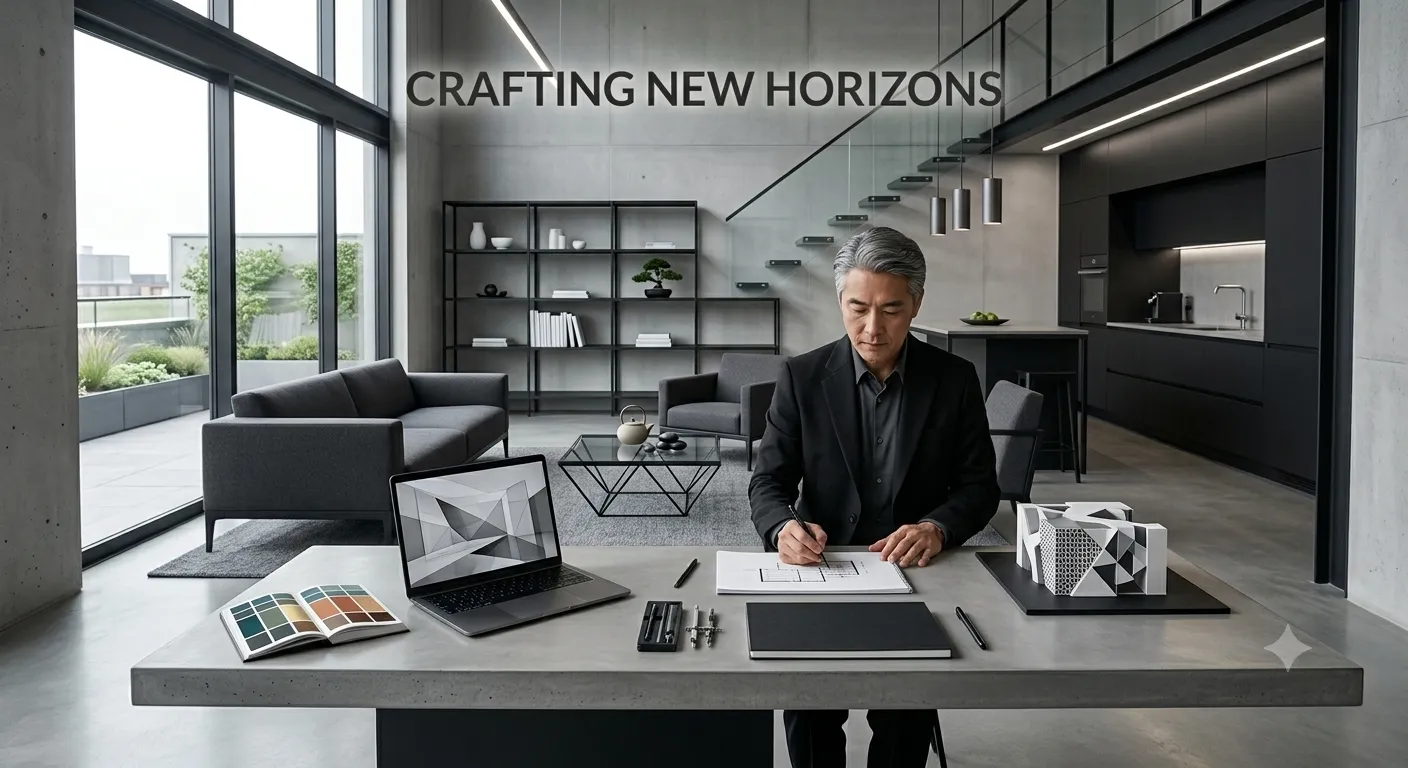
Industrial interior design draws inspiration from factories, warehouses, and urban lofts, celebrating raw, unfinished materials. Exposed brick, concrete floors, metal fixtures, and reclaimed wood are common features, contributing to a rugged, utilitarian aesthetic.
Open-plan layouts are characteristic, often showcasing structural elements like exposed pipes, ducts, and beams. Furniture tends to be robust and functional, blending vintage finds with modern pieces for a curated, lived-in feel.
The style often uses a muted color palette of grays, blacks, and whites, punctuated by metallic tones and the natural hues of wood and brick. It offers a powerful, edgy look that remains popular for its authentic character.
Modern Interior Design
Modern interior design, distinct from contemporary, refers to a specific period and set of aesthetics, primarily emerging from the early to mid-20th century. It emphasizes clean lines, simple forms, and natural materials like wood, leather, and metal.
Functionality is paramount, with designs often featuring uncluttered spaces, geometric shapes, and an absence of excessive ornamentation. Furniture is typically streamlined, focusing on comfort and practicality without elaborate detail.
This timeless aesthetic remains highly relevant today, offering a sophisticated and practical approach to creating elegant spaces. It’s a foundational style that continues to influence contemporary interior design with its enduring principles of simplicity and purpose.
4. Step-by-Step Interior Design Planning Process
Embarking on an interior design project, regardless of its scale, benefits immensely from a structured planning process. This systematic approach ensures that every detail is considered, from initial concept to final execution, minimizing costly mistakes and maximizing satisfaction.
A well-defined process provides a clear roadmap, guiding decisions and maintaining focus on the overall vision. It allows for creative exploration within practical constraints, ensuring that the finished space is both beautiful and highly functional. This methodical approach is key to successful interior design.
Following these steps will streamline your project, helping you manage your budget, timeline, and expectations effectively. From inspiration gathering to the final styling, each phase plays a crucial role in bringing your dream space to life.
Phase 1: Inspiration & Vision
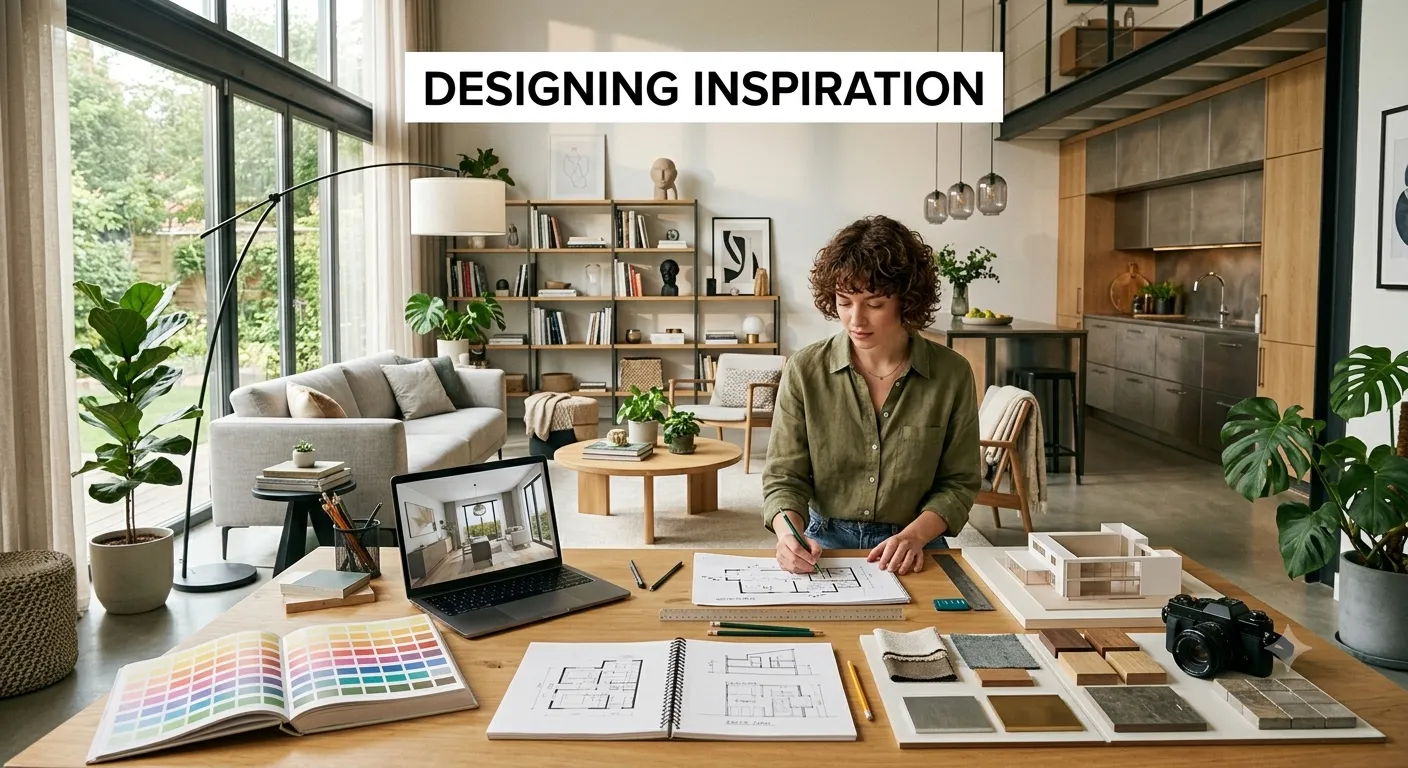
The first step is to define your personal style and vision for the space. Gather inspiration from magazines, social media, and design blogs to create mood boards that capture desired aesthetics, colors, and textures. This visual collection becomes your guiding star.
Simultaneously, assess your needs, lifestyle, and budget. How will the space be used? Who will use it? What are your non-negotiables? A clear understanding of these practicalities will inform all subsequent design decisions, ensuring the interior design meets real-world demands.
Researching both current trends and timeless design elements helps refine your vision. Consider what styles truly resonate with you and what will stand the test of time, balancing fleeting fashions with enduring elegance.
Phase 2: Layout & Functionality
Once your vision is clear, it’s time to translate it into a functional layout. Accurately measure the space and draw floor plans, either by hand or using digital tools. This is crucial for visualizing furniture placement and ensuring proper scale.
Plan for optimal traffic flow, ensuring easy movement throughout the room without obstructions. Define distinct zones for different activities, especially in open-plan areas, using furniture arrangement or subtle visual cues.
Consider practical elements like electrical outlets, lighting points, and integrated storage solutions early in this phase. Thoughtful planning here prevents future headaches and ensures the interior design is as practical as it is beautiful.
Phase 3: Selection & Sourcing
With a solid layout in place, you can confidently select furniture, finishes, color palettes, and materials. This involves choosing pieces that align with your aesthetic vision, budget, and functional requirements. Pay attention to durability and maintenance.
Sourcing involves finding the right suppliers, whether local boutiques, large retailers, online stores, or custom craftsmen. Compare prices, quality, and delivery times to make informed decisions. Samples are invaluable for testing colors and textures in your space.
For truly exceptional results, consider exploring professional interior design solutions that can bring your vision to life with expertise and flair, especially for complex projects. Their knowledge of materials and suppliers can be invaluable.
Phase 4: Execution & Styling
The execution phase involves overseeing the implementation of your design. This includes managing contractors for painting, flooring, or custom installations, and coordinating the delivery and assembly of major furniture pieces. Clear communication is vital.
Once the main elements are in place, focus on the details that truly personalize the space. Add accessories, artwork, plants, and decorative items that reflect your personality and enhance the room’s atmosphere. These finishing touches are crucial.
The final styling involves arranging these elements to create visual balance and interest. Experiment with different arrangements until the space feels complete and inviting. This last step perfects your interior design vision, making it truly yours.
5. Small Space Interior Design Strategies & Practical Tips
Designing small spaces presents unique challenges but also exciting opportunities for creativity and clever solutions. The key is to maximize every inch, creating the illusion of grandeur and ensuring every item serves a purpose. Smart interior design transforms compact areas.
The goal is to make small rooms feel larger, more functional, and less cluttered, without sacrificing style. Strategic choices in furniture, color, and lighting can dramatically impact the perception of space, turning limitations into design strengths.
Mastering small space interior design requires a strategic mindset and an eye for detail. By implementing these practical tips, you can create environments that are both efficient and aesthetically pleasing, proving that great style isn’t limited by square footage.
Maximizing Space & Storage
Multi-functional furniture is a cornerstone of small space interior design. Think sofa beds, ottomans with hidden storage, nesting tables, and expandable dining tables. Each piece should ideally serve more than one purpose, optimizing utility.
Embrace vertical storage solutions to free up valuable floor space. Tall, narrow shelving units, wall-mounted cabinets, and floating shelves draw the eye upward and provide ample storage without intruding on the room’s footprint.
Consider built-in shelving, desks, or seating to utilize awkward corners or recesses efficiently. Custom solutions can perfectly fit the contours of your space, offering seamless storage and a polished, integrated look.
Creating Illusions of Grandeur
Light colors on walls and ceilings instantly make a room feel larger and airier, reflecting light rather than absorbing it. Whites, creams, and pale grays are excellent choices for expanding the visual boundaries of a small space.
Strategic placement of mirrors can work wonders, reflecting light and creating the illusion of greater depth and space. Position them opposite windows or in narrow hallways to double the perceived size of the area.
Using consistent flooring throughout a small home can create a seamless flow, preventing the space from feeling choppy or confined. Additionally, minimizing clutter is paramount; every item should have its designated place.
Smart Furniture & Decor Choices
Choose scale-appropriate furniture that fits comfortably without overwhelming the room. Avoid bulky, oversized pieces; instead, opt for streamlined designs with slender legs that allow light and sightlines to pass through, creating a sense of openness.
Leggy furniture, such as sofas or tables on stilts, prevents a heavy, grounded feeling, visually lifting the furniture off the floor. This subtle trick contributes to a more spacious and airy atmosphere in your small space interior design.
Smart decor choices include using large artwork instead of many small pieces to create a focal point, and incorporating plants to bring life without clutter. Clever interior design hacks ensure functionality and style coexist beautifully.
6. Conclusion & Actionable Advice
We’ve journeyed through the comprehensive world of modern interior design, from its foundational elements to popular styles, and practical strategies for planning and optimizing small spaces. Understanding space, light, color, and materials is paramount to creating impactful environments.
This guide has equipped you with the knowledge to approach your own interior design projects with confidence. Remember, the most successful designs are those that reflect your unique personality and cater to your specific needs, fostering comfort and well-being.
Your interior design journey is an ongoing process of learning, experimenting, and refining. Don’t be afraid to try new ideas, mix styles, and personalize your space. The ultimate goal is to create a home that truly nurtures and inspires you every single day.
The world of interior design is vast and exciting, offering endless possibilities for personal expression and functional enhancement. By understanding the foundational elements, exploring diverse styles, and following a structured planning process, you are well-equipped to transform any space. Remember, great interior design is not just about aesthetics; it’s about crafting environments that nurture well-being and reflect the unique stories of those who inhabit them. Embrace the journey of discovery and creation in your pursuit of exceptional interior design.
Data recovery can help you! The sudden disappearance of important files can trigger an instant wave of panic. Whether it’s a crucial work document, cherished family photos, or years of personal projects, the feeling of losing irreplaceable data is universally dreaded. In our increasingly digital world, data loss is not just an inconvenience; it can be a catastrophic event with significant personal or professional repercussions, leaving us feeling helpless and frustrated.
However, the good news is that “lost” doesn’t always mean “gone forever.” Often, data that appears to have vanished is still residing on your storage device, waiting to be retrieved. Understanding the underlying mechanisms of data storage and deletion reveals that files are rarely erased immediately, offering a critical window for recovery efforts. This inherent recoverability is the beacon of hope for many struggling with digital mishaps.
This comprehensive guide aims to demystify the process of data recovery, transforming panic into proactive steps. We’ll explore the common culprits behind data loss, outline the crucial immediate actions to take, weigh the options between DIY software and expert assistance, and ultimately, equip you with the knowledge to safeguard your digital life against future incidents.
Understanding What Leads to Unexpected Data Loss
Data can disappear for a myriad of reasons, ranging from simple human error to complex hardware failures. One of the most common scenarios is accidental file deletion, where a user inadvertently sends files to the recycle bin and empties it, or permanently deletes them with a keyboard shortcut. In these instances, the operating system merely marks the space as available, rather than physically wiping the data, making it a prime candidate for successful data recovery.
Beyond user mistakes, physical hardware damage poses a more severe threat. Hard disk drives (HDDs) can suffer from head crashes, motor failures, or platter damage due to drops, power surges, or general wear and tear, leading to inaccessible data. Similarly, solid-state drives (SSDs), while more robust, can experience controller failures, firmware corruption, or NAND chip degradation, complicating SSD recovery efforts significantly. These physical ailments often require specialized intervention.
Furthermore, logical issues such as file system corruption, malware attacks (especially ransomware), and software malfunctions are frequent causes of data loss. A corrupted hard drive might display errors, refuse to boot, or show missing partitions, making its contents unreachable. Malicious software can encrypt, delete, or hide files, while software bugs might lead to data inconsistencies or irreversible changes, necessitating careful recovery strategies.
Your Critical First Steps After Data Disappears
The immediate aftermath of data loss is a race against time, where every action (or inaction) can significantly impact the chances of successful data recovery. The single most important rule is to STOP using the affected device immediately. Continuing to operate the computer, install new software, or save new files risks overwriting the “lost” data, rendering it permanently unrecoverable, even by the most advanced techniques. Power down the system if possible.
Once the device is no longer in use, if the lost data is on an external drive or partition, safely unmount it from your system. For internal drives, avoid booting from the problematic drive if possible; consider booting from a different drive or a live USB operating system. The goal is to prevent any write operations to the storage medium where the data was lost, as even temporary files or system logs can fill the very sectors your missing files once occupied.
Resist the urge to attempt risky DIY fixes based on unverified online advice. Running untrusted utilities, repeatedly restarting the device, or trying to open a physically damaged drive can exacerbate the problem, leading to further corruption or irreversible physical damage. If you hear clicking or grinding noises from a traditional hard drive, power it off instantly, as continued operation can scratch the platters and destroy data permanently.
DIY Software vs. Professional Recovery Services
For certain types of data loss, particularly accidental file deletion or minor logical errors on an otherwise healthy drive, DIY data recovery software can be a viable and cost-effective solution. These tools scan the drive for file signatures and reconstruct files that have been marked as deleted but not yet overwritten. They are user-friendly and can often recover a significant portion of lost data if acted upon quickly and correctly.
However, DIY software has significant limitations. It is ineffective for drives with physical damage, such as a failing read/write head or a motor issue. It cannot address firmware corruption, bad sectors that prevent the drive from being recognized, or complex RAID array failures. Attempting to run software on a physically compromised drive can worsen the damage, potentially causing permanent data loss that even professionals cannot retrieve.
When dealing with critical, irreplaceable data or complex scenarios like a corrupted hard drive or an unresponsive SSD, relying on professional data recovery services is highly recommended. These experts possess specialized tools, cleanroom environments, and deep technical knowledge that consumer-grade software simply cannot replicate, offering a much higher probability of success.
When Expert Help Ensures Higher Success Rates
Certain data loss scenarios unequivocally call for the intervention of professional data recovery services. This includes instances of physical damage to hard drives (e.g., clicking, grinding noises, failure to spin up), water or fire damage, severe logical corruption that prevents the drive from being mounted, or complex RAID system failures. In these cases, the integrity of the storage media itself is compromised, requiring specialized hardware and techniques.
Professionals operate in ISO-certified cleanroom environments, essential for opening hard drives without contamination, which could otherwise permanently damage the delicate platters. They use proprietary tools and techniques for tasks like head stack replacement, platter transplantation, firmware repair, and advanced chip-off recovery for flash media. Their expertise extends to intricate issues like SSD recovery from controllers that have failed or become unreadable.
While the cost of professional services might seem higher than DIY solutions, the value of irreplaceable data often justifies the investment. Engaging experts ensures that your data is handled with the utmost care, maximizing the chances of a successful recovery while minimizing the risk of further damage. For mission-critical business data or sentimental personal files, choosing hard drive data recovery specialists is often the only reliable path.
Proactive Measures to Prevent Future Data Loss
The best defense against data loss is a robust and consistent backup strategy. Implementing the “3-2-1 rule” is highly recommended: keep at least 3 copies of your data, store them on 2 different types of media, and keep 1 copy offsite. This multi-layered approach ensures redundancy and protection against various failure points, from hardware malfunction to natural disasters.
Utilize a combination of cloud backup services and external hard drives to fulfill the 3-2-1 rule. Cloud solutions offer automated, offsite storage with versioning, protecting against ransomware and localized disasters. External drives provide quick local backups. Remember to regularly test your backups to ensure they are complete and recoverable, as a backup that doesn’t work is no backup at all.
Beyond backups, proactive maintenance plays a crucial role. Regularly monitor the health of your storage devices using S.M.A.R.T. (Self-Monitoring, Analysis, and Reporting Technology) tools. Keep your operating system and antivirus software updated to protect against malware and software vulnerabilities. Handle hardware with care, avoid sudden power outages, and consider uninterruptible power supplies (UPS) for critical systems to prevent unexpected shutdowns that can corrupt data.
Data loss, while a frightening prospect, is often a recoverable situation, provided you act swiftly and wisely. Understanding the common causes and knowing the crucial first steps to take can significantly improve your chances of retrieving valuable files. Remember, stopping device usage immediately is paramount to prevent overwriting your lost data.
While DIY software offers a viable solution for simple logical issues, recognizing its limitations is key. For complex problems involving physical damage, severe corruption, or invaluable data, the expertise and specialized equipment offered by professional data recovery services are indispensable. They provide the highest success rates and peace of mind.
Ultimately, the most effective strategy against data loss isn’t just about recovery, but prevention. By adopting proactive measures such as the 3-2-1 backup strategy, utilizing cloud storage, and maintaining device health, you can build a resilient defense for your digital assets. Safeguarding your data today means avoiding the panic of data loss tomorrow.
La Prairie 深知,真正的亮白並非一蹴可幾,而是需要多重功效的協同作用。因此,其防曬系列並非孤軍奮戰,而是巧妙地與品牌頂級美白精華相輔相成。想像一下,當肌膚在獲得充分防護的同時,又能被珍貴的美白成分深度滋養,加速黑色素的代謝,抑制新的色素沉澱,這種「邊防護邊美白」的雙重奏,能讓肌膚在陽光下依然保持淨透無瑕,綻放出由內而外的健康光采,這正是 La Prairie 奢華防曬系列所追求的極致境界。
貴婦級的選擇:為追求完美的您而設
對於追求極致護膚體驗的您而言,La Prairie 的防曬系列絕對是您梳妝台上不可或缺的珍品。它不僅提供了頂級的防曬保護,更蘊含了品牌引以為傲的科研技術與奢華成分,讓您在享受陽光時,也能感受到肌膚被細膩呵護的愉悅。選擇 La Prairie,不僅是選擇一款防曬產品,更是選擇一種對肌膚極致寵愛的態度,開啟您邁向貴婦級透亮肌膚的新篇章。
頂級美白精華與防曬的完美協奏曲,綻放光采
深度解析:La Prairie 與 Chanel Le Blanc Serum 的美白較量
在頂級美白領域,La Prairie 以其獨特的「智能亮白科技」聞名,透過多重機制,針對肌膚暗沉、色斑等問題進行精準修護,例如其核心成分「純金」與「複合胜肽」,不僅能提亮膚色,更能促進肌膚的膠原蛋白生成,提升肌膚的緊緻度與彈性,讓肌膚由內而外散發年輕光采。相較之下,Chanel Le Blanc Serum(珍珠光采美白精華)則以其標誌性的「珍珠光采複合物」為核心,結合了獨特的「珍貴白茶萃取」,能有效抑制黑色素生成,並為肌膚注入水潤光澤,帶來如珍珠般溫潤的光澤感。
膚質對症下藥:誰是您的完美拍檔?
針對不同的膚質需求,這兩款頂級美白精華各有千秋。La Prairie 的產品通常質地豐潤,蘊含豐富的滋養成分,特別適合乾性肌膚或熟齡肌膚,能在提亮膚色的同時,提供極致的滋潤與修護。而 Chanel Le Blanc Serum 則質地相對輕盈,吸收迅速,其控油與提亮功效使其成為油性肌膚或混合性肌膚的理想選擇,能在改善暗沉的同時,維持肌膚的清爽。對於敏感肌膚,兩者都建議先在耳後進行小範圍測試,並優先選擇成分較為單純、強調舒緩功效的產品。
香港選購與網購防偽指南:聰明消費,安心入手
在香港選購 La Prairie 產品,建議前往品牌專櫃或官方授權的百貨公司,例如 Harbour City 的連卡佛(Lane Crawford)或 IFC Mall 的 DFS,能確保購買到正品。若選擇網購,請務必認準官方網站(la prairie hk)或信譽良好的電商平台。購買時,請留意產品包裝的細節,如印刷清晰度、防偽標籤、批號與有效期限等,並保留購買憑證。若對產品有任何疑問,切勿猶豫,立即聯繫客服或品牌專員,確保您的每一分投資都物有所值,享受無憂的奢華護膚體驗。
想要讓頂級護膚品的功效最大化,正確的使用順序至關重要。在香港潮濕的夏季,我們建議遵循「3-2-1 護膚法則」:首先,潔面後,使用 3 滴 Chanel Le Blanc Serum,輕柔按摩至吸收,為肌膚注入亮白能量。接著,使用 2 滴 La Prairie 緊緻修護精華(或其他您慣用的精華),加強肌膚的彈性與緊緻。最後,在妝前或外出前,取 1 元硬幣大小的 La Prairie 瑞士全效防曬霜,均勻塗抹於臉部及頸部,作為最後一道防護屏障。這樣的組合,能讓美白精華與防曬霜的功效疊加,達到更為顯著的亮白與抗老效果。
香港夏季護膚心法:持妝控油,締造完美無瑕
香港的夏季氣候濕熱,肌膚容易感到黏膩,妝容也容易脫落。針對這一點,La Prairie 的瑞士全效防曬霜質地輕盈,極易推開,且具有一定的控油效果,能幫助您在炎熱天氣下保持肌膚的清爽舒適。在塗抹防曬霜後,建議您輕拍一層定妝散粉,特別是 T 區等容易出油的部位,這樣能進一步增強妝容的持久度,同時維持肌膚的自然光澤。擁有 La Prairie 奢華防曬的呵護,即使在最濕熱的環境下,您也能自信展現無瑕透亮的貴婦肌。
結合瑞士極致工藝,解鎖肌膚透亮秘密
瑞士製造的承諾:卓越品質的象徵
La Prairie 的產品之所以能成為頂級護膚的代名詞,離不開其源自瑞士的極致工藝。品牌堅持在瑞士進行研發與生產,將先進的生物科技與珍稀的天然成分完美融合,每一瓶產品都凝聚著對品質的極致追求。從魚子醬萃取、白鑽複合物到鉑金絲肽,La Prairie 不斷探索最尖端的護膚技術,只為將最純淨、最有效的成分注入您的肌膚。這種對卓越的不懈追求,正是 La Prairie 能夠持續引領奢華護膚潮流的根本原因。
解鎖肌膚透亮密碼:不止於表面
真正的肌膚透亮,並非僅僅是膚色上的提亮,更是肌膚由內而外散發出的健康光澤與活力。La Prairie 的防曬系列與美白精華,正是透過多重機制,從根本上改善肌膚的狀態。它們不僅能阻擋紫外線的傷害,更能修護肌膚損傷,促進細胞更新,提升肌膚的自我修護能力。當肌膚從內而外變得健康、飽滿、有彈性時,自然會散發出令人稱羨的透亮光采,這正是 La Prairie 所追求的「貴婦級」肌膚狀態,一種超越年齡、散發自信光芒的自然之美。
投資未來肌膚:La Prairie 的奢華承諾
選擇 La Prairie,不僅是為此刻的肌膚提供頂級呵護,更是對未來肌膚的長遠投資。其獨特的配方與卓越的功效,能幫助您延緩肌膚老化,維持肌膚的年輕狀態,讓您在歲月的長河中,依然保有光滑、緊緻、透亮的完美膚質。當您親身感受 La Prairie 防曬系列與美白精華帶來的改變時,您會發現,這份奢華不僅僅體現在產品的價格上,更體現在它為您帶來的持續美麗與自信。
總而言之,La Prairie 的防曬系列結合頂級美白精華,為我們開啟了護膚的新篇章。它不僅僅是一款防曬產品,更是集防護、修護、提亮於一體的奢華護膚藝術品。從瑞士極致的工藝,到對肌膚深層需求的精準洞察,La Prairie 始終致力於為追求完美的您,打造出由內而外散發的貴婦級透亮美肌。在這個夏日,不妨嘗試將 La Prairie 融入您的日常護膚流程,親身感受這份來自瑞士的奢華力量,讓您的肌膚綻放出前所未有的健康光采。
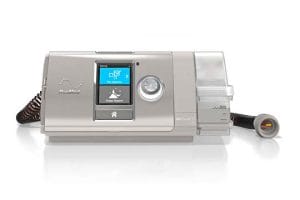
2025最新推出的SleepStyle™ Plus 自動正氣壓呼吸機,在設計和功能上均以簡單為主。每個細節都務求讓你在使用時感到舒適又輕鬆。品牌的客戶服務團隊可透過手機應用程式遙距操作呼吸機,根據你的需求更改呼吸機設定,避免用戶需要攜帶機身到門市。另外,這部呼吸機亦配備SensAwake™覺醒感應技術,能夠自動分析清醒狀況,然後迅速將氣壓降低至舒適水平,助你再度入睡、有效地繼續接受呼吸機治療。



















 十倍電波VS熱瑪吉FLX:第五代電波拉皮與傳統王者之爭