
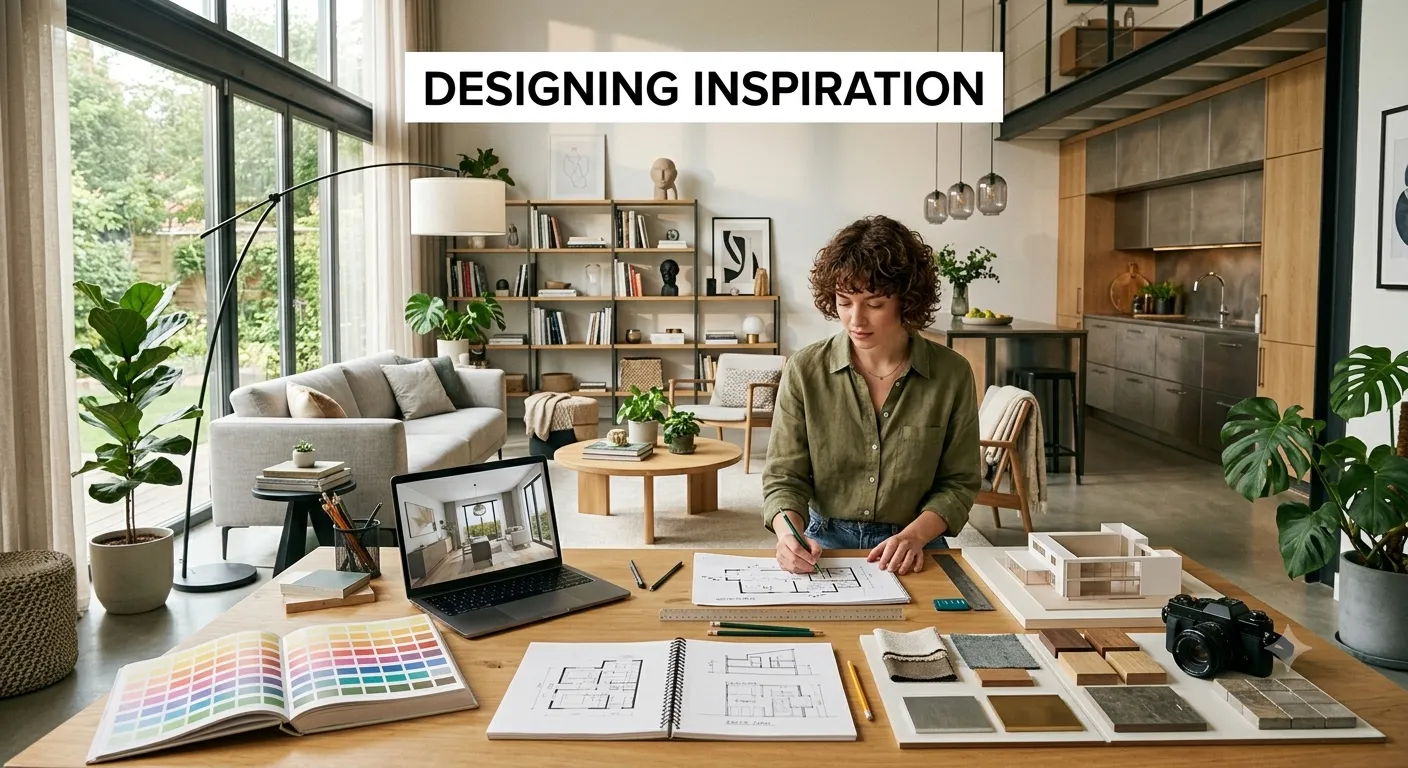
Welcome to the definitive guide on mastering modern interior design. In an era where our living spaces are more than just shelters, understanding the principles of thoughtful interior design is crucial. This article delves into the transformative power of creating environments that are not only aesthetically pleasing but also profoundly functional, reflecting personal style and enhancing daily life.
Embark on a journey with us as we unravel the core elements, popular styles, and practical strategies that underpin exceptional interior design. Whether you’re a budding enthusiast or looking to refresh your home, this comprehensive resource will equip you with the knowledge to approach your next project with confidence and creativity.
Prepare to transform your vision into reality, crafting spaces that inspire, comfort, and truly represent you. Mastering modern interior design is an art and a science, and we’re here to guide you every step of the way to achieve stunning results.
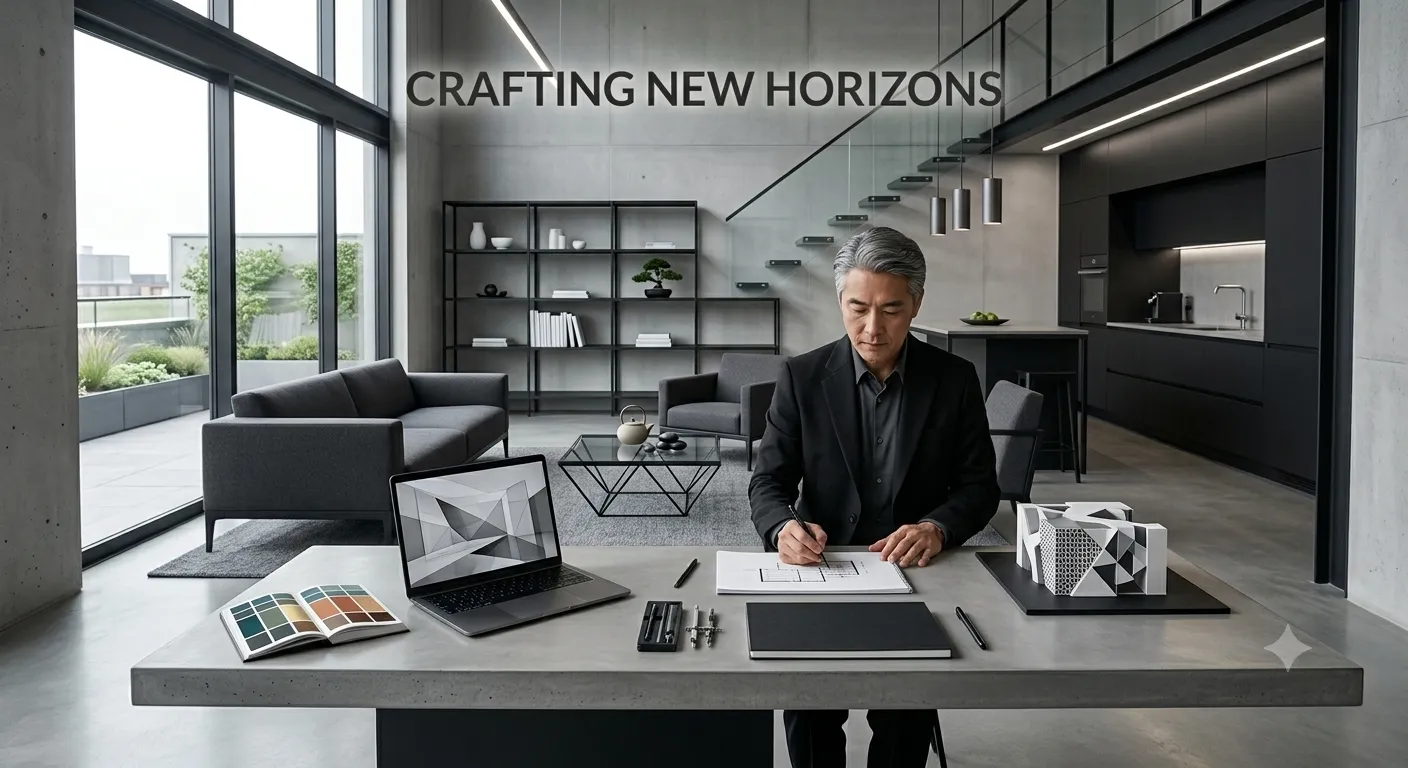
1. Introduction to Modern Interior Design & Its Importance
Modern interior design is far more than just decorating; it’s a holistic approach to shaping living environments. It encompasses the art and science of understanding people’s behavior to create functional, aesthetically pleasing spaces. This discipline focuses on optimizing space, light, color, and materials to craft a cohesive and inviting atmosphere.
The evolution of modern interior design reflects changing lifestyles, technological advancements, and a growing appreciation for well-being. From minimalist aesthetics to smart home integrations, today’s design principles prioritize comfort, efficiency, and a harmonious connection between form and function. Good design truly impacts our mood and productivity.
The importance of well-executed interior design cannot be overstated. It directly influences our mental and physical health, enhances productivity, and fosters a sense of belonging and peace. A thoughtfully designed space can reduce stress, inspire creativity, and significantly improve overall quality of life.
2. Core Elements of Interior Design
The success of any interior design project hinges on a mastery of its fundamental elements. These foundational components work in concert to create a cohesive, balanced, and visually appealing space. Understanding how space, light, color, and material interact is crucial for every aspiring designer.
By carefully considering each of these elements, designers can manipulate perceptions, evoke emotions, and ensure functionality. These core principles are the building blocks, allowing for infinite possibilities in expressing personal style and achieving specific design goals. They form the bedrock of excellent interior design.
Learning to balance these elements is key to creating spaces that feel both dynamic and harmonious. Whether working on a residential project or commercial space, a strong grasp of these fundamentals will elevate your interior design capabilities and lead to truly impactful results.
Space: The Canvas of Creativity
Space is the most fundamental element in interior design, defining the boundaries and possibilities of a room. It involves understanding both the positive (filled with objects) and negative (empty) areas, ensuring a balance that promotes comfort and functionality. Strategic planning optimizes flow and prevents overcrowding.
Optimizing layouts involves clever furniture placement, creating clear pathways, and defining zones within larger open-plan areas. This ensures that each part of the room serves a purpose without hindering movement or visual appeal. Proportion and scale are critical for harmony.
The judicious use of proportion and scale ensures that furniture and decor elements relate well to each other and to the overall room size. This prevents pieces from looking too large or too small, contributing to a sense of balance and visual comfort in the interior design.
Light: Illuminating Atmosphere
Light is a powerful tool in interior design, capable of transforming mood, highlighting features, and altering perceptions of space. Maximizing natural light through windows, skylights, and reflective surfaces is often a primary goal, bringing warmth and vitality into a room.
Artificial lighting, strategically layered, complements natural light. Ambient lighting provides overall illumination, task lighting supports specific activities, and accent lighting emphasizes architectural features or artwork. Dimmers offer flexibility for mood control.
Smart lighting solutions and carefully chosen fixtures contribute significantly to the atmosphere. The color temperature of light (warm or cool) can dramatically impact the perceived warmth or coolness of a room, creating a specific ambiance for any interior design.
Color: The Emotional Palette
Color is perhaps the most emotionally potent element in interior design, directly influencing mood and perception. Understanding color theory – including primary, secondary, and tertiary colors, as well as warm and cool tones – is essential for effective use.
Choosing a cohesive color scheme can unify a space or create distinct zones. Popular approaches include monochromatic (variations of one color), analogous (neighbors on the color wheel), and complementary (opposites). The 60-30-10 rule often guides balanced distribution.
Colors can also create illusions, making small rooms appear larger with light shades, or cozying up expansive spaces with darker hues. The psychological impact of each color must be considered to achieve the desired emotional response in any interior design.
Material & Texture: Sensory Richness
Materials and textures add depth, tactile quality, and visual interest to an interior design. From the rich warmth of natural wood to the sleek coolness of polished concrete or glass, each material brings its unique character and contributes to the overall aesthetic.
Introducing a variety of textures – smooth fabrics, rough stone, soft rugs, hard metals – prevents a space from feeling flat. This interplay engages multiple senses, making a room feel more inviting, dynamic, and complete. Think about layering different surfaces.
Sustainable and eco-friendly material choices are increasingly prevalent in modern interior design. Utilizing recycled, reclaimed, or locally sourced materials not only benefits the environment but also adds unique character and a story to the finished space.
3. Popular Interior Design Styles
Exploring popular interior design styles provides a framework for developing your aesthetic vision. Each style is characterized by specific principles, materials, and color palettes, offering distinct pathways to creating a desired atmosphere. Understanding these styles allows for informed choices.
While trends evolve, certain styles have enduring appeal due to their timeless qualities and adaptability. Familiarizing yourself with these foundational aesthetics can inspire your own projects and help you communicate your preferences effectively. It’s a key part of mastering modern interior design.
Whether you lean towards minimalist simplicity or industrial grit, knowing the hallmarks of these styles empowers you to curate a cohesive and authentic environment. Mix and match elements carefully, or commit fully to a singular vision for impactful results.
Minimalist Interior Design
Minimalist interior design embraces the philosophy of “less is more,” focusing on clean lines, uncluttered spaces, and essential furniture. It prioritizes functionality and simplicity, removing anything that doesn’t serve a purpose or add significant aesthetic value.
Color palettes in minimalist design are typically neutral, featuring whites, grays, and blacks, often with subtle natural wood tones. The emphasis is on quality over quantity, with well-crafted pieces that speak for themselves without excessive ornamentation.
Achieving a minimalist look doesn’t mean sacrificing warmth or personality. Thoughtful selection of textures, strategic lighting, and a few carefully chosen statement pieces can ensure the space feels inviting and reflective of its inhabitants.
Scandinavian Interior Design
Scandinavian interior design is renowned for its bright, airy spaces, natural materials, and emphasis on functionality and comfort, often encapsulated by the concept of “Hygge.” It celebrates simplicity, light, and a deep connection to nature.
Characterized by white walls, light wood furniture, and clean lines, Scandinavian spaces often incorporate cozy textiles like wool throws and sheepskins. Subtle pops of color, often inspired by nature, add visual interest without overwhelming the serene atmosphere.
This style creates practical, inviting homes that feel warm and open. It’s about creating a calm retreat from the outside world, making it a highly desirable approach for modern interior design. Natural light is paramount.
Industrial Interior Design
Industrial interior design draws inspiration from factories, warehouses, and urban lofts, celebrating raw, unfinished materials. Exposed brick, concrete floors, metal fixtures, and reclaimed wood are common features, contributing to a rugged, utilitarian aesthetic.
Open-plan layouts are characteristic, often showcasing structural elements like exposed pipes, ducts, and beams. Furniture tends to be robust and functional, blending vintage finds with modern pieces for a curated, lived-in feel.
The style often uses a muted color palette of grays, blacks, and whites, punctuated by metallic tones and the natural hues of wood and brick. It offers a powerful, edgy look that remains popular for its authentic character.
Modern Interior Design
Modern interior design, distinct from contemporary, refers to a specific period and set of aesthetics, primarily emerging from the early to mid-20th century. It emphasizes clean lines, simple forms, and natural materials like wood, leather, and metal.
Functionality is paramount, with designs often featuring uncluttered spaces, geometric shapes, and an absence of excessive ornamentation. Furniture is typically streamlined, focusing on comfort and practicality without elaborate detail.
This timeless aesthetic remains highly relevant today, offering a sophisticated and practical approach to creating elegant spaces. It’s a foundational style that continues to influence contemporary interior design with its enduring principles of simplicity and purpose.
4. Step-by-Step Interior Design Planning Process
Embarking on an interior design project, regardless of its scale, benefits immensely from a structured planning process. This systematic approach ensures that every detail is considered, from initial concept to final execution, minimizing costly mistakes and maximizing satisfaction.
A well-defined process provides a clear roadmap, guiding decisions and maintaining focus on the overall vision. It allows for creative exploration within practical constraints, ensuring that the finished space is both beautiful and highly functional. This methodical approach is key to successful interior design.
Following these steps will streamline your project, helping you manage your budget, timeline, and expectations effectively. From inspiration gathering to the final styling, each phase plays a crucial role in bringing your dream space to life.
Phase 1: Inspiration & Vision
The first step is to define your personal style and vision for the space. Gather inspiration from magazines, social media, and design blogs to create mood boards that capture desired aesthetics, colors, and textures. This visual collection becomes your guiding star.
Simultaneously, assess your needs, lifestyle, and budget. How will the space be used? Who will use it? What are your non-negotiables? A clear understanding of these practicalities will inform all subsequent design decisions, ensuring the interior design meets real-world demands.
Researching both current trends and timeless design elements helps refine your vision. Consider what styles truly resonate with you and what will stand the test of time, balancing fleeting fashions with enduring elegance.
Phase 2: Layout & Functionality
Once your vision is clear, it’s time to translate it into a functional layout. Accurately measure the space and draw floor plans, either by hand or using digital tools. This is crucial for visualizing furniture placement and ensuring proper scale.
Plan for optimal traffic flow, ensuring easy movement throughout the room without obstructions. Define distinct zones for different activities, especially in open-plan areas, using furniture arrangement or subtle visual cues.
Consider practical elements like electrical outlets, lighting points, and integrated storage solutions early in this phase. Thoughtful planning here prevents future headaches and ensures the interior design is as practical as it is beautiful.
Phase 3: Selection & Sourcing
With a solid layout in place, you can confidently select furniture, finishes, color palettes, and materials. This involves choosing pieces that align with your aesthetic vision, budget, and functional requirements. Pay attention to durability and maintenance.
Sourcing involves finding the right suppliers, whether local boutiques, large retailers, online stores, or custom craftsmen. Compare prices, quality, and delivery times to make informed decisions. Samples are invaluable for testing colors and textures in your space.
For truly exceptional results, consider exploring professional interior design solutions that can bring your vision to life with expertise and flair, especially for complex projects. Their knowledge of materials and suppliers can be invaluable.
Phase 4: Execution & Styling
The execution phase involves overseeing the implementation of your design. This includes managing contractors for painting, flooring, or custom installations, and coordinating the delivery and assembly of major furniture pieces. Clear communication is vital.
Once the main elements are in place, focus on the details that truly personalize the space. Add accessories, artwork, plants, and decorative items that reflect your personality and enhance the room’s atmosphere. These finishing touches are crucial.
The final styling involves arranging these elements to create visual balance and interest. Experiment with different arrangements until the space feels complete and inviting. This last step perfects your interior design vision, making it truly yours.
5. Small Space Interior Design Strategies & Practical Tips
Designing small spaces presents unique challenges but also exciting opportunities for creativity and clever solutions. The key is to maximize every inch, creating the illusion of grandeur and ensuring every item serves a purpose. Smart interior design transforms compact areas.
The goal is to make small rooms feel larger, more functional, and less cluttered, without sacrificing style. Strategic choices in furniture, color, and lighting can dramatically impact the perception of space, turning limitations into design strengths.
Mastering small space interior design requires a strategic mindset and an eye for detail. By implementing these practical tips, you can create environments that are both efficient and aesthetically pleasing, proving that great style isn’t limited by square footage.
Maximizing Space & Storage
Multi-functional furniture is a cornerstone of small space interior design. Think sofa beds, ottomans with hidden storage, nesting tables, and expandable dining tables. Each piece should ideally serve more than one purpose, optimizing utility.
Embrace vertical storage solutions to free up valuable floor space. Tall, narrow shelving units, wall-mounted cabinets, and floating shelves draw the eye upward and provide ample storage without intruding on the room’s footprint.
Consider built-in shelving, desks, or seating to utilize awkward corners or recesses efficiently. Custom solutions can perfectly fit the contours of your space, offering seamless storage and a polished, integrated look.
Creating Illusions of Grandeur
Light colors on walls and ceilings instantly make a room feel larger and airier, reflecting light rather than absorbing it. Whites, creams, and pale grays are excellent choices for expanding the visual boundaries of a small space.
Strategic placement of mirrors can work wonders, reflecting light and creating the illusion of greater depth and space. Position them opposite windows or in narrow hallways to double the perceived size of the area.
Using consistent flooring throughout a small home can create a seamless flow, preventing the space from feeling choppy or confined. Additionally, minimizing clutter is paramount; every item should have its designated place.
Smart Furniture & Decor Choices
Choose scale-appropriate furniture that fits comfortably without overwhelming the room. Avoid bulky, oversized pieces; instead, opt for streamlined designs with slender legs that allow light and sightlines to pass through, creating a sense of openness.
Leggy furniture, such as sofas or tables on stilts, prevents a heavy, grounded feeling, visually lifting the furniture off the floor. This subtle trick contributes to a more spacious and airy atmosphere in your small space interior design.
Smart decor choices include using large artwork instead of many small pieces to create a focal point, and incorporating plants to bring life without clutter. Clever interior design hacks ensure functionality and style coexist beautifully.
6. Conclusion & Actionable Advice
We’ve journeyed through the comprehensive world of modern interior design, from its foundational elements to popular styles, and practical strategies for planning and optimizing small spaces. Understanding space, light, color, and materials is paramount to creating impactful environments.
This guide has equipped you with the knowledge to approach your own interior design projects with confidence. Remember, the most successful designs are those that reflect your unique personality and cater to your specific needs, fostering comfort and well-being.
Your interior design journey is an ongoing process of learning, experimenting, and refining. Don’t be afraid to try new ideas, mix styles, and personalize your space. The ultimate goal is to create a home that truly nurtures and inspires you every single day.
The world of interior design is vast and exciting, offering endless possibilities for personal expression and functional enhancement. By understanding the foundational elements, exploring diverse styles, and following a structured planning process, you are well-equipped to transform any space. Remember, great interior design is not just about aesthetics; it’s about crafting environments that nurture well-being and reflect the unique stories of those who inhabit them. Embrace the journey of discovery and creation in your pursuit of exceptional interior design.
Get more news